Patient Care and Recovery Hub

Posts
Post
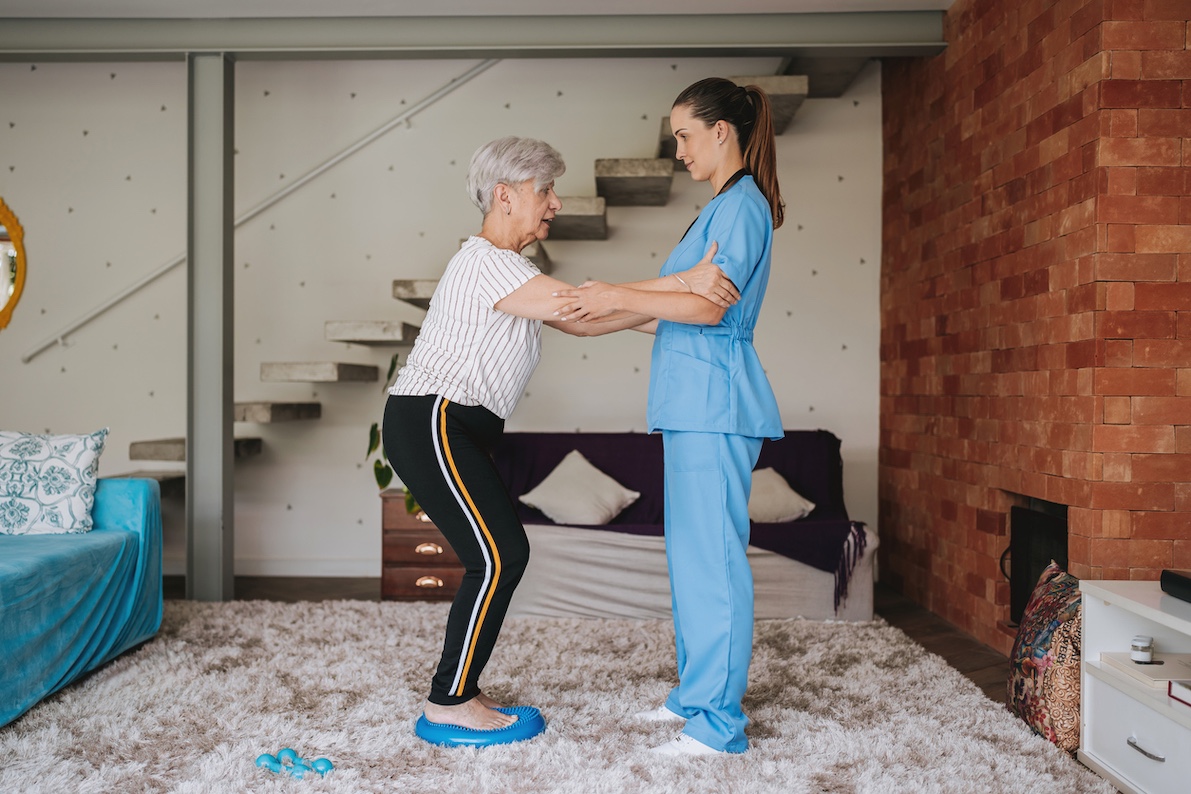
Physical Therapy and Occupational Therapy: How Each Improves Your Independence and Healthspan
Healthy aging involves more than maintaining physical strength. It also means preserving abilities that support everyday activities and independence. Physical therapy and occupational therapy offer complementary approaches to healthspan, helping individuals maintain mobility, functional capacity, and engagement in the activities they enjoy. By addressing both physical and functional abilities, PT and OT can help people stay active, independent, and connected to the world around them as they age.
Read more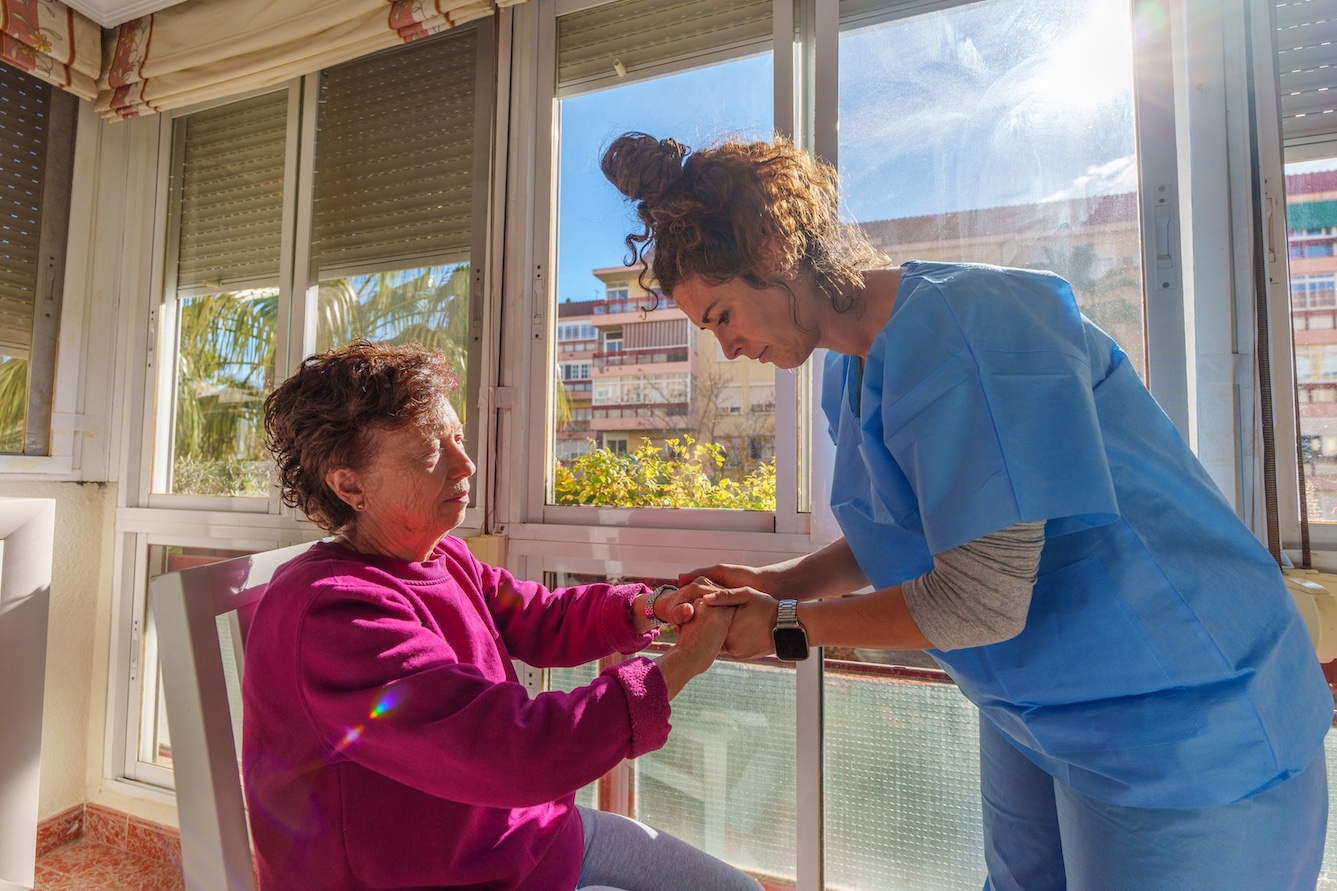
Post
TOP-OF-LICENSE CARE: LIVING WELL WITH MS AND PARKINSON'S
Neurological rehabilitation for conditions like multiple sclerosis and Parkinson's requires physical therapists to continually adapt treatment as symptoms, mobility, and functional needs change. By delivering individualized care in the environment where patients live, Luna clinicians can identify real-world safety risks, address mobility challenges, adjust treatment in real time, and build trusted relationships that support long-term independence.
Read more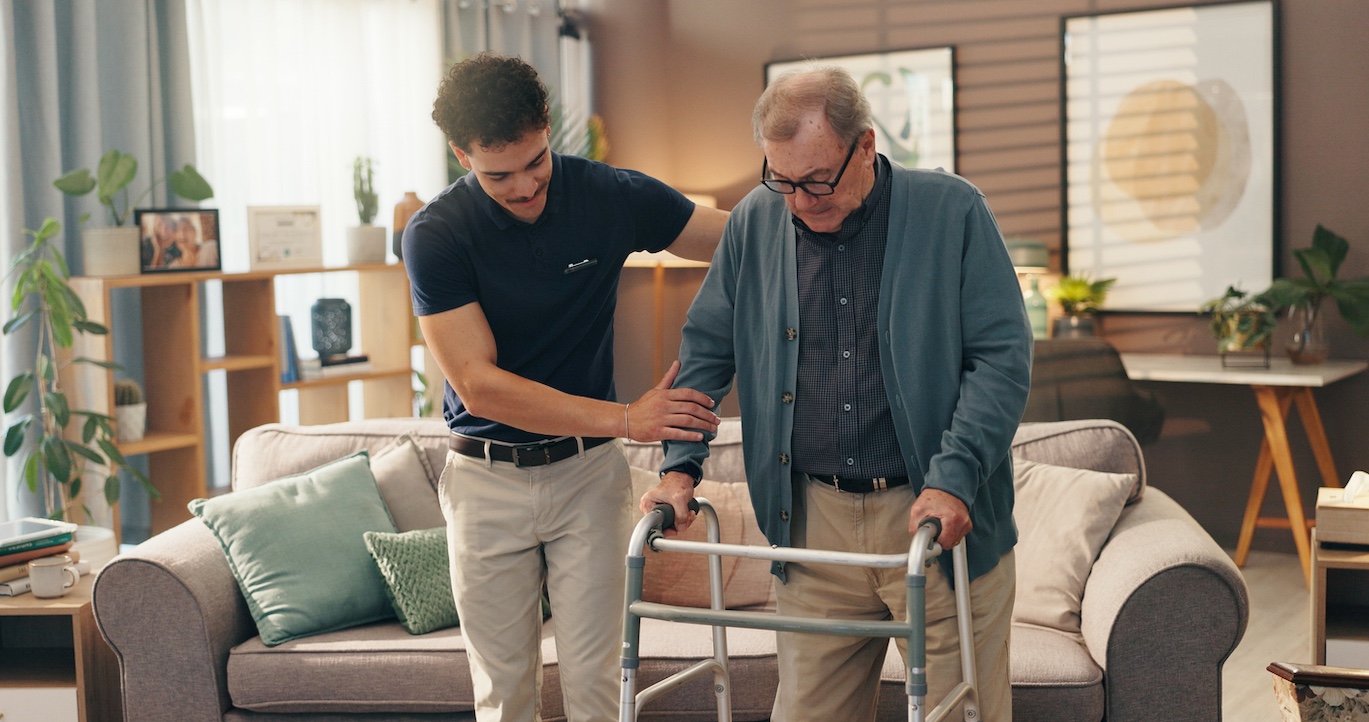
Post
Top of License Care In Motion: Reclaiming Independence After Stroke
Stroke recovery is dynamic, requiring physical therapists to continually adapt treatment as a patient's abilities, needs, and functional capacity change. By delivering intensive, individualized rehabilitation in the environment where patients live, Luna clinicians can address real-world mobility challenges, identify safety risks, coordinate interdisciplinary care, and progress treatment as recovery evolves.
Read more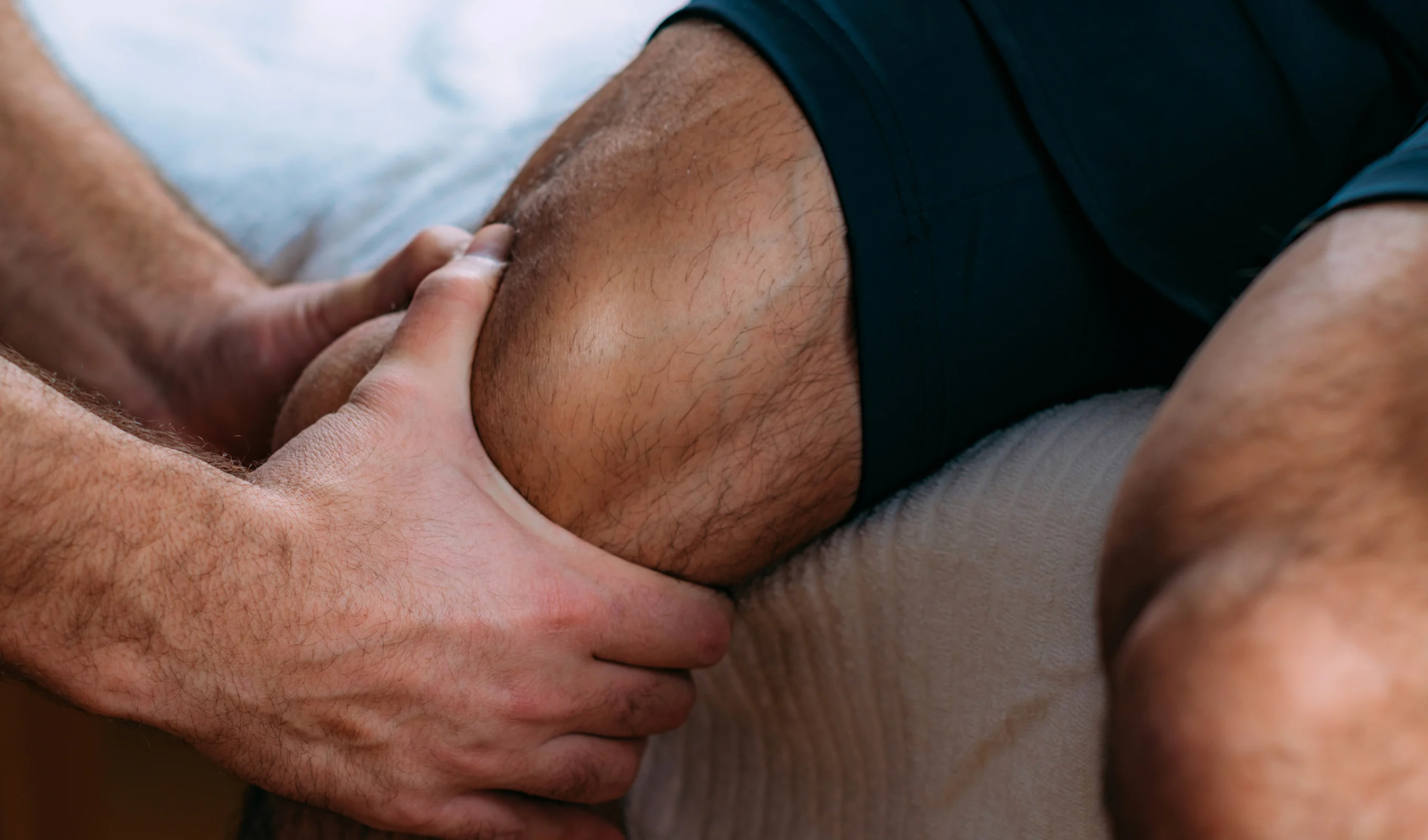
Post
How to Protect Your Knees and Stay Active After 65
Strong, healthy knees are essential for independence and mobility at any age. This blog explores strategies for knee injury prevention, low-impact exercises, and balance training for seniors, with guidance from Luna in-home outpatient physical therapy.
Read more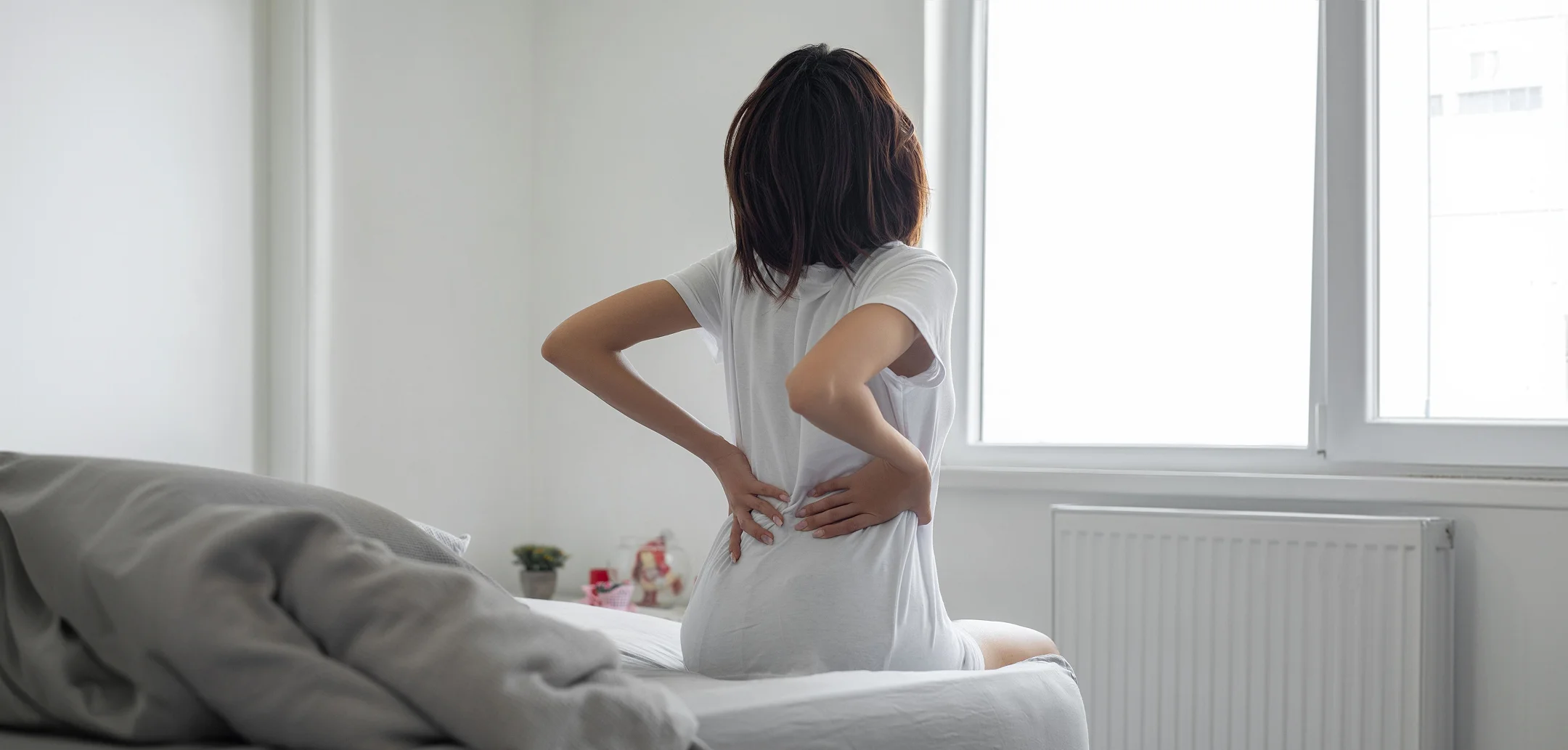
Post
Why Your Lower Back Hurts: Common Causes and Treatments
Lower back pain is one of the most common physical complaints among adults, especially those over 65. From muscle strain to arthritis to sciatica (nerve pain into the leg), several conditions can cause discomfort and affect your daily life.
Read more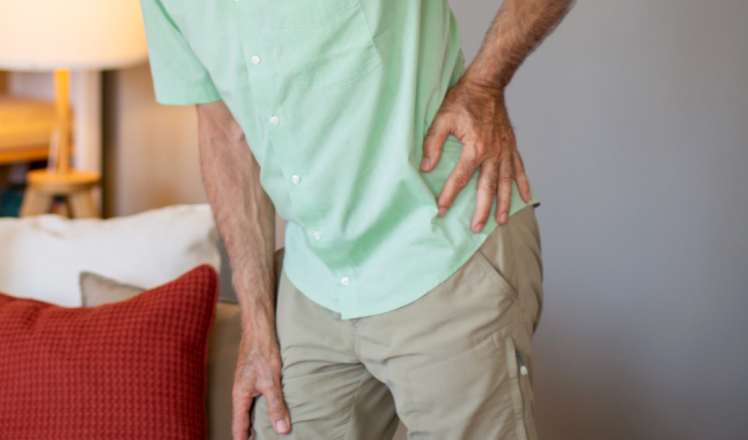
Post
Managing Hip Arthritis: Tips for Reducing Pain and Staying Active
Hip arthritis can make everyday activities painful and challenging. This blog provides practical tips to reduce hip pain, improve mobility, and stay active, with guidance from licensed physical therapists in the comfort of your home.
Read more
Post
5 Steps to a Successful Pickleball Injury Recovery
Pickleball is highly addictive and incredibly fun, but the repetitive swinging and serving can take a heavy toll on your upper body. Whether you are dealing with a strained shoulder or "pickleball elbow," returning to the court requires a structured approach to prevent further damage. This injury recovery guide breaks down the five phases of recovery, showing how in-home physical therapy can help you restore mobility, regain strength, and safely return to play.
Read more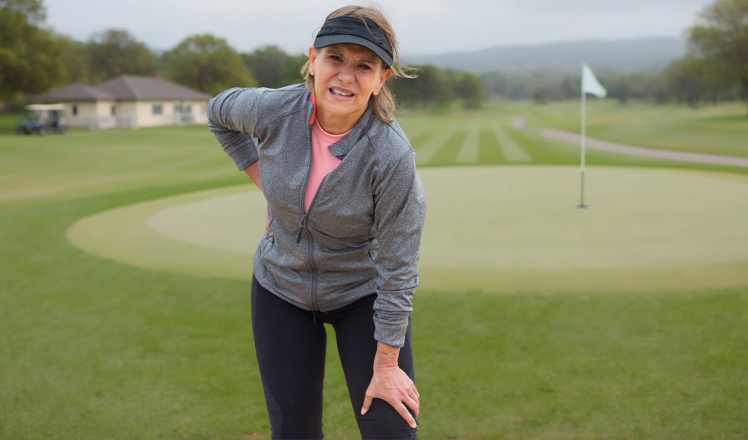
Post
5 Steps to Return to Golf Safely After an Injury
Returning to golf after an injury requires more than simply waiting for pain to fade away. Because a single swing places substantial rotational force on your spine, hips, and shoulders, a gradual rehab plan is essential for lasting recovery. This injury recovery guide breaks down the five key steps to restore mobility, rebuild core stability, and smoothly progress from putting and chipping back to 18-hole rounds with the support of in-home physical therapy.
Read more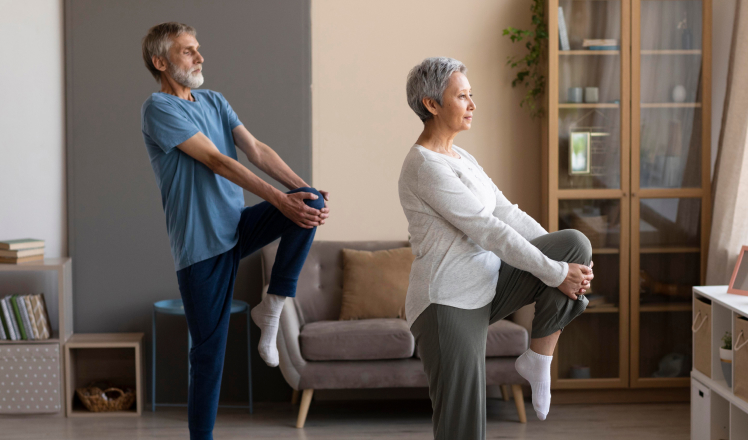
Post
5 steps to a successful ACL and meniscus recovery
Recovering from a combined ACL and meniscus surgery requires patience, precision, and a carefully structured rehabilitation plan. Whether you were injured on the ski slopes or during a weekend game, healing involves protecting the joint, restoring full motion, and progressively rebuilding strength and neuromuscular control. This guide breaks down the essential phases of recovery and explains how outpatient physical therapy delivered in your home can help you safely return to your active lifestyle without the hassle of traveling to a clinic.
Read more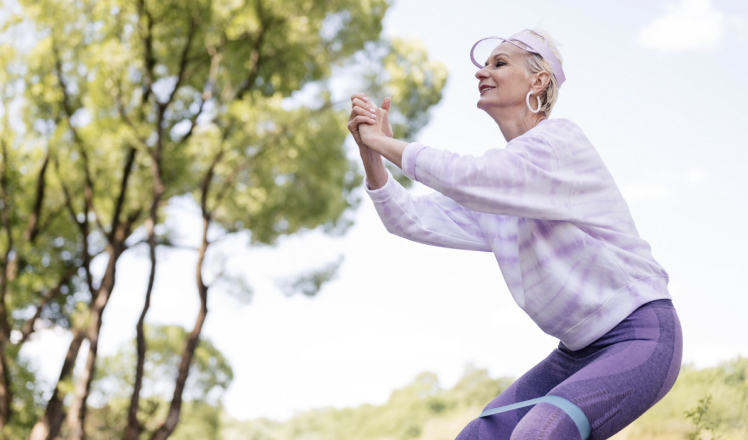
Post
5 Steps to a Successful Stroke Recovery and Rehab
Stroke recovery and rehab focuses on helping the brain and body reconnect through consistent, guided movement. This guide explains the five essential phases of recovery, including early mobilization, neuroplasticity, strength rebuilding, and functional movement training. In-home physical therapy supports recovery by helping patients practice real-life movements in a familiar environment. With personalized rehabilitation and ongoing support, stroke survivors can improve mobility, rebuild confidence, and regain independence over time.
Read more



You’re subscribed!
Thanks for signing up for our blog newsletter. Get ready for wellness tips and expert advice from our therapists.
Explore Our Blogs


