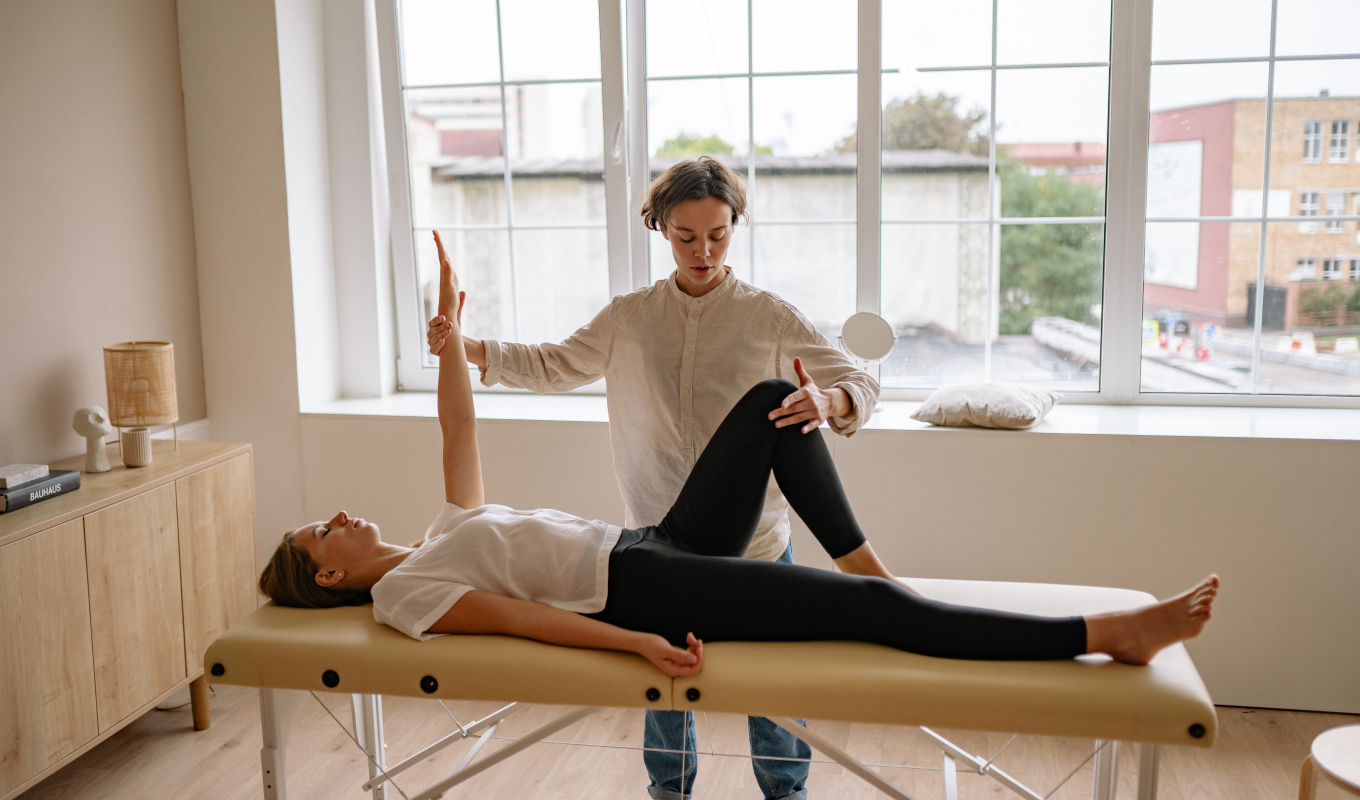
Physical therapy after surgery: what to expect during recovery
Surgery is often just one part of a longer recovery process. What happens afterward—how the body moves, heals, and adapts—can shape long-term comfort, function, and independence. Physical therapy after surgery supports healing by restoring mobility and
strength in a structured, gradual way.
For many people, the biggest challenge after surgery is uncertainty. Knowing what is safe to do, what to avoid, and how quickly to progress is not always clear. Physical therapy provides guidance and a clear plan, especially during the early stages of
recovery when movement may feel unfamiliar or intimidating.
What is post-surgical physical therapy?
Post-surgical physical therapy (sometimes called post-operative physical therapy) focuses on restoring movement, strength, and function after surgery. It supports healing while helping patients rebuild confidence in everyday movement.
Licensed physical therapists are trained to evaluate how surgery affects the body as a whole—not just the surgical site. Treatment may help improve circulation, manage stiffness, and reduce the buildup of scar tissue that can limit mobility. Care is designed
to support recovery without placing unnecessary stress on healing tissues.
Symptoms after surgery physical therapy can help address
It is common to experience physical changes after surgery, even when recovery is progressing normally. Physical therapy may help address:
- Pain or discomfort near the surgical site
- Stiffness and reduced range of motion
- Swelling or tightness in surrounding tissues
- Weakness in muscles affected by surgery or reduced activity
- Difficulty with daily tasks such as walking, standing, dressing, or climbing stairs
Because care is progressive, these symptoms are addressed step by step—supporting steady improvement without pushing too far, too fast.
What can slow or complicate recovery after surgery?
Recovery timelines vary. Some challenges are related to the procedure itself, while others are influenced by movement habits, overall health, or confidence with mobility.
- Limited movement for long periods can contribute to stiffness and weakness
- Scar tissue may reduce flexibility if the body remains too immobile
- Ongoing pain or inflammation can make it harder to stay active during healing
- Balance concerns or chronic conditions can add complexity and increase fall risk
Physical therapy helps address these challenges by encouraging safe, guided movement and providing structure when the recovery process feels unclear.
What physical therapy after surgery typically includes
While every plan is personalized, post-surgical physical therapy often follows a consistent progression designed to support healing and long-term function.
Initial evaluation and recovery planning
The first visit typically includes an assessment of mobility, strength, walking, balance, and functional movement. Surgical details and recovery goals help shape a plan of care that supports safe progress.
Gentle movement and hands-on support
When appropriate, hands-on techniques and guided movement may be used to improve comfort, reduce stiffness, and support mobility.
Range-of-motion and strengthening exercises
Therapy often includes exercises to restore mobility and rebuild strength over time. Programs are adjusted based on healing milestones, tolerance, and functional goals.
Education for safe movement
Recovery can feel overwhelming. Physical therapy includes guidance on safe movement strategies and practical ways to stay active while managing discomfort.
Gradual return to daily activities
As healing progresses, therapy becomes more functional—focusing on walking, stairs, transfers, and other tasks that support independence and quality of life.
Why in-home physical therapy can help after surgery
Traveling to a clinic after surgery can be physically demanding—especially when pain, swelling, balance changes, or limited mobility are present. In-home physical therapy allows outpatient-level care to take place in a familiar environment, without the
added stress of transportation.
In-home care also makes therapy more practical. Movement strategies can be tailored to the home environment, including bed mobility, navigating stairs, walking through tight spaces, and moving safely around everyday obstacles. This approach often helps
patients feel more confident applying what they learn between visits.
Care that supports recovery at home
Recovery can be challenging, especially when mobility is limited or daily tasks feel harder than usual. Physical therapy provides clear guidance, steady support, and a structured path forward.
For those who prefer care delivered in the home, Luna offers one-on-one, in-home physical therapy focused on improving movement, strength, and confidence with everyday activities.
Frequently asked questions about physical therapy after surgery
What surgeries commonly benefit from post-surgical physical therapy?
Physical therapy is often recommended after orthopedic procedures that affect mobility, including joint replacements, knee and hip surgeries, spine surgeries, ACL
repairs, and rotator cuff injuries. A healthcare provider can share guidance based on the specific procedure and recovery plan.
How soon should physical therapy start after surgery?
Timing depends on the type of surgery and medical guidance. Some people begin physical therapy shortly after surgery, while others start after early healing has occurred.
How long does recovery take with physical therapy?
Recovery varies based on the procedure, overall health, and consistency with therapy. Physical therapy supports steady progress through each stage of healing.
Is in-home physical therapy safe after surgery?
Yes. In-home physical therapy is delivered by licensed physical therapists and tailored to support safe movement during recovery, based on surgical precautions and individual needs.